FEBRUARY IS HEART MONTH - HOW’S YOURS?

Pro tips from a local musician and retired RN over 40

Disclaimer: This is educational content only, not medical advice. Talk with a licensed clinician about what’s right for you; medication suitability and costs vary, and results vary.
Working musicians often run on irregular sleep, stress, and convenience routines. These are exactly the conditions that can quietly raise heart and stroke risk if blood pressure/cholesterol checks keep getting delayed.
I’m in several Seattle music projects, and I’m a retired RN. Even with my clinical background, I delayed getting my blood pressure and cholesterol checked. I got used to running at full speed: quick food, too many commitments, and health tasks that kept sliding to “later.” Meanwhile, my numbers kept moving in the wrong direction.
My inner dialogue sounded something like this:
“Heart attacks and strokes are old-people problems.”
“I feel fine, so I’m probably okay.”
“Part of me doesn’t want to know. If I get checked and something’s off, now it’s real.”
“Big fuss I don’t need right now. I hate when people fuss over me.”
What ultimately moved me to action – getting my baseline blood pressure and cholesterol checked and making some healthier lifestyle choices – was recalling what I’d witnessed firsthand as a bedside RN after strokes and heart attacks: rehab that lasts months, loss of mobility or speech, work and income disruption, medication complexity, and families suddenly carrying far more than they expected.
Today I am playing music, feeling healthier than ever and contributing to the music community I love. I want more of us here—healthy, active, and living full lives for years to come. Blood pressure and cholesterol aren’t the whole story of course, but they’re one of the highest-impact places to start.
So, from my heart to yours, here are 6 things to do in the next 30 days – not “sometime this year.” And a few hacks to use when doing them.

Further reading if you’re interested in learning more about cholesterol and blood pressure:
More than half of adults 40–59 already have high blood pressure. In the U.S., over 795,000 people have a stroke each year—about 610,000 are first strokes—and more people in midlife are now living with stroke aftereffects than a decade ago. (Source: CDC)
Blood pressure is the force of blood against your artery walls. Cholesterol is a waxy, fat-like substance in the blood; when levels are off, plaque can build up in arteries over time. Together, they can quietly raise your risk of heart attack and stroke. Many musicians live in patterns that can quietly raise heart attack and stroke risk over time: inconsistent sleep, late-night schedules, quick high-sodium food, long sedentary stretches (driving/studio/admin), stress spikes, and frequent alcohol exposure in social settings. These aren’t moral failures—they’re common working conditions.
The impact is real: irregular sleep patterns are linked to higher cardiovascular risk, and sleep disruption is associated with increased cardiovascular events. On top of that, CDC guidance is clear that excess sodium, physical inactivity, and excess alcohol each raise blood pressure and heart risk. (Source: CDC) Simply put, working musicians can often stack multiple risk factors at once. Screening and follow-through need to be built into the routine.
You might feel fine right up until you’re not. Stroke and heart attack can mean loss of independence, months of rehab, missed income, and a partner or family member suddenly becoming your caregiver. The good news: the first steps are usually straightforward, and treatment is often more affordable than people assume.
When my blood pressure and cholesterol started climbing, my first reaction was ego: I should be able to fix this without meds.
I did make major changes—non-junk vegan eating and walking everywhere—and I’ve improved so far. But here’s what I wish I had fully accepted earlier:
You can feel fine and still be high-risk.
High blood pressure and cholesterol become much more common after 40. (Source: NIH)
Delay is exactly how preventable crises happen.

What you’re really risking if you ignore it
When elevated BP and cholesterol go untreated, risk rises for heart attack and stroke. (Source: American Heart Association) But what people underestimate is the aftermath:
sudden disability
speech or mobility loss
long rehab
lost income and disrupted routines
a partner or family member becoming a caregiver overnight
“I’ll deal with it later” feels harmless in the moment. It isn’t.
The part many people need to hear: Meds are not failure!
My first instinct was to avoid medication and do lifestyle-only. I understand that impulse.
But if your clinician recommends medication, that can be a smart, protective move—especially while lifestyle changes are still taking hold. It’s not either/or. (Source: Mayo Clinic)
For many people, first-line generic medications are more affordable than expected. Prices vary by dose and pharmacy, but public discount pricing has shown:
Cost-aware prescribing is routine clinical practice; asking about price is part of good care, not a special request. (Always check current local pricing; costs can change and are dependent on details such as which medications and doses you and your provider determine are needed.)
Why this matters for musicians
For musicians, preventive care is easy to put off. You’re tired, your schedule is all over the place, you grab whatever food is available between sound check and downbeat, and when you finally get a day off, the last thing you want is another appointment. So people delay—not because they’re careless, but because life is full.
I hear this frequently: “I need to get checked,” or “my numbers were high, I just haven’t done anything about it.” I’ve said the same things myself.
The problem usually isn’t knowing. It is often understanding how relevant the information is, and (crucially) taking the next step.
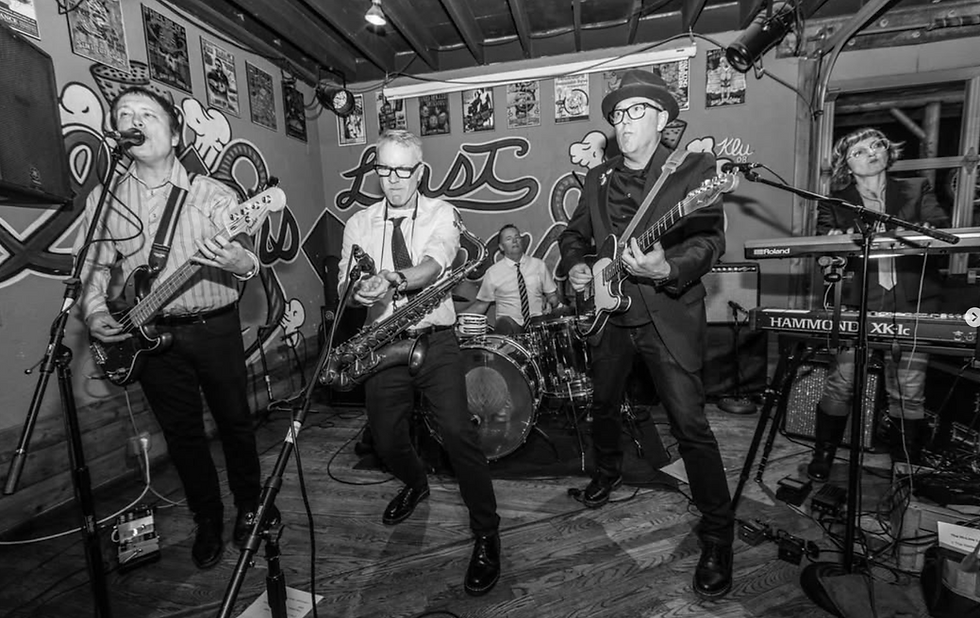
Shawn Brockman is a retired registered nurse with deep experience in healthcare information technology, blending clinical insight and real-world health systems experience to conversations about wellness and prevention. He is also an active Seattle musician who performs in multiple bands—The Hi-Line Lanes, Lipstick Syndicate, and Big Danger Wow—giving him a personal stake in the heart health, stamina, and long-term well-being of working musicians.
You can find Shawn through the band links above or directly on LinkedIn.